Bolsa de escalada
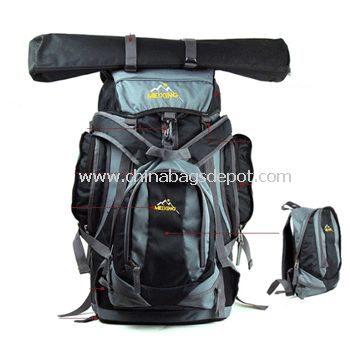
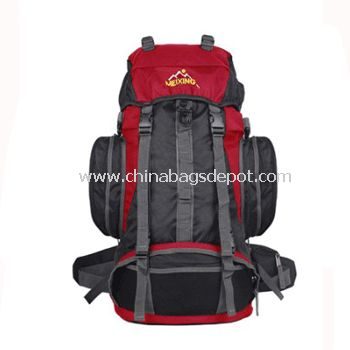
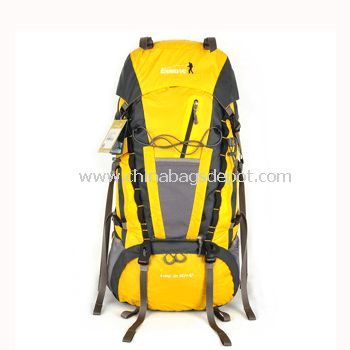
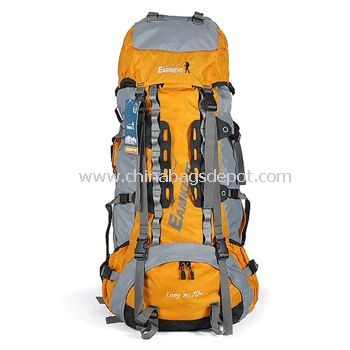
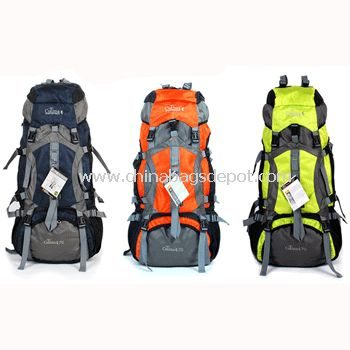
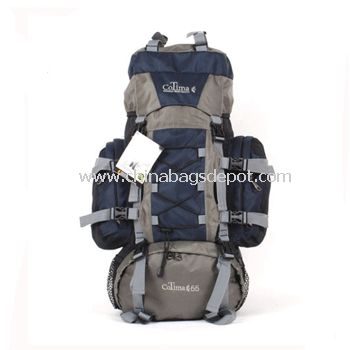
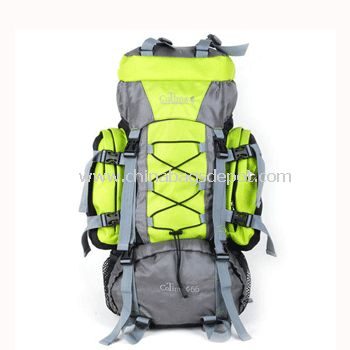
Climbing bags are built around one priority: gear that stays put and carries comfortably while the wearer is moving over rock, ice and trail. The seven designs in the range span the classic Climbing Bag through Climbing Bags in multiple sizes and a Climbing Backpack format, giving climbers a choice between single-strap sack carrying and a full two-strap backpack layout.
The range at a glance:
- Multiple climbing bag designs in assorted sizes
- Backpack-style option for even weight distribution on long routes
- Bag layouts suited to ropes, hardware, chalk and layering
- Formats that work equally well for hillwalking and alpine day trips
- Compact sack sizes for gym sessions, scrambling and short pitches
Buying for a mixed group is straightforward: order a spread of sizes so climbers can pair a small sack for pitches with a larger backpack for the walk-in, and match capacity to the length of routes your audience actually climbs. Tough webbing and buckled closures keep gear anchored when the bag is hauled up after its owner.
Send your enquiry with artwork to put your brand on climbing bags for outdoor retailers, guiding companies and adventure events.
7 productos